Invisalign vs. Braces: Which Option Is Right for You?
Clear Aligners vs. Traditional Braces: Which Is Right for You?
If you're considering orthodontic treatment, you may be wondering whether clear aligners or traditional braces make more sense for your teeth. Both can move teeth into better alignment, but they work differently and require different levels of daily care.
Clear aligners are removable and discreet, while traditional braces use brackets and wires that remain attached to the teeth throughout treatment. The right option depends on the type of tooth movement and bite correction you need, as well as how well each approach fits your daily routine.
At Genuine Smiles in Everett, Dr. Jade Gan focuses on Invisalign clear aligner treatment. She evaluates your teeth and bite to determine whether Invisalign can accomplish your goals and will recommend a different treatment approach or specialist when clear aligners are not appropriate.
Key Takeaways
- Clear aligners and traditional braces can both improve tooth alignment, but they use different treatment methods.
- Clear aligners are removable and discreet, while traditional braces remain attached to the teeth throughout treatment.
- The most effective option for your case depends on your specific alignment and bite concerns.
- Daily habits and your ability to follow treatment instructions can also affect which approach is right for you.
- Dr. Jade Gan evaluates each patient's teeth and bite before recommending Invisalign or another treatment option.
How Are Clear Aligners and Braces Different?
Both treatments gradually move teeth by applying controlled forces over time. The main difference is how that force is delivered.
Traditional braces use brackets bonded to the teeth and connected by wires. The hardware remains in place throughout treatment, and adjustments are made during periodic appointments.
Clear aligners use a series of custom-made trays. Each aligner is designed to guide your teeth through a planned sequence of movements. The trays can be removed for eating, drinking, brushing, and flossing.
Neither approach is inherently right for every orthodontic concern. The important question is which treatment can safely and predictably address the tooth movements and bite changes your case requires.
When Are Clear Aligners a Good Option?
Invisalign can address many common alignment concerns, including:
- Mild to moderate crowding
- Gaps and spacing between teeth
- Certain overbites
- Certain underbites
- Certain crossbites
- Teeth that have shifted after previous orthodontic treatment
- Other alignment concerns that can be addressed with controlled tooth movement
Clear aligners may also appeal to adults and teens who prefer a more discreet treatment option.
However, Invisalign is not appropriate for every case. Significant bite discrepancies, severe crowding, complex tooth movements, skeletal concerns, or other orthodontic factors may require a different approach.
An evaluation is the best way to determine whether clear aligners are appropriate for your teeth and bite.
When Might Traditional Braces Be Recommended?
Traditional braces can provide a high level of mechanical control and may be appropriate for certain complex orthodontic cases.
Depending on the specific problem, an orthodontic specialist may recommend braces when treatment involves substantial tooth movement, complex rotations, significant bite correction, or other movements that are better addressed with fixed orthodontic appliances.
Another consideration is consistency.
Clear aligners are removable, which is one of their biggest advantages. It also means treatment depends on wearing them as prescribed. If someone is unlikely to consistently wear their aligners for the recommended amount of time, a fixed appliance may be more appropriate.
The treatment recommendation should ultimately be based on the clinical requirements of the case rather than simply which option looks more appealing.
Clear Aligners vs. Braces: What Is Daily Life Like?
The day-to-day experience can be quite different.
Eating
With Invisalign, you remove the aligners before eating, so you don't have the same food restrictions associated with brackets and wires.
With traditional braces, certain hard, sticky, or chewy foods may need to be avoided to protect the orthodontic hardware.
Brushing and flossing
Clear aligners are removed before brushing and flossing, allowing you to maintain your usual oral hygiene routine.
Braces require additional care around brackets and wires to make sure plaque and food debris don't accumulate around the hardware.
Appearance
Clear aligners are made from transparent material and fit closely over the teeth. They can still be visible up close, but they are generally less noticeable than traditional metal braces.
Brackets and wires are more visible throughout treatment.
Responsibility
This is one of the biggest differences between the two options.
With braces, the appliance stays attached to your teeth. With Invisalign, you are responsible for wearing and caring for your aligners every day.
Invisalign generally requires approximately 20 to 22 hours of wear per day. Regularly wearing aligners for less time than prescribed can interfere with tooth movement and potentially extend treatment.
What Is Invisalign Treatment Like?
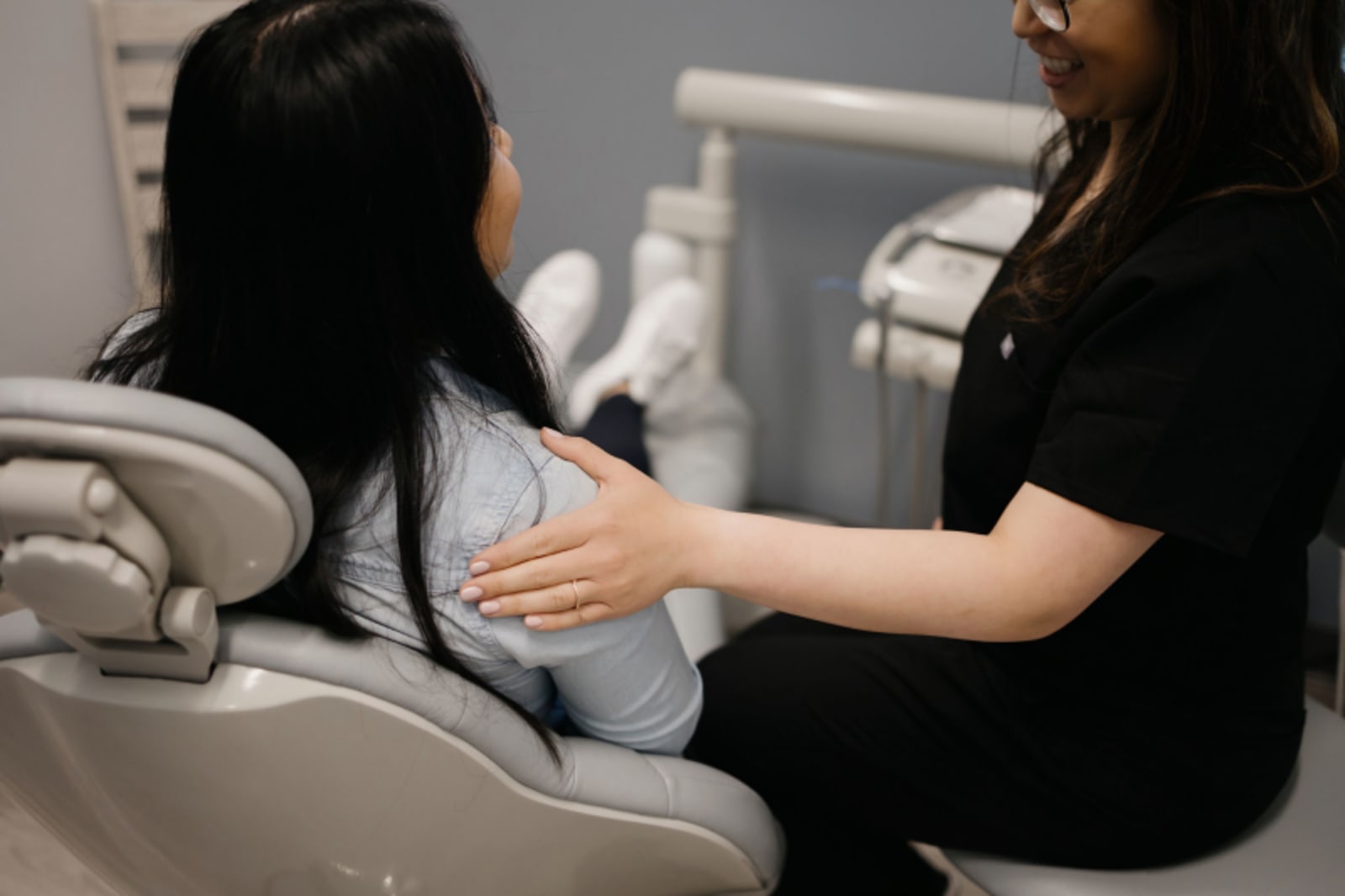
If you're considering Invisalign, the process begins with an evaluation of your teeth and bite.
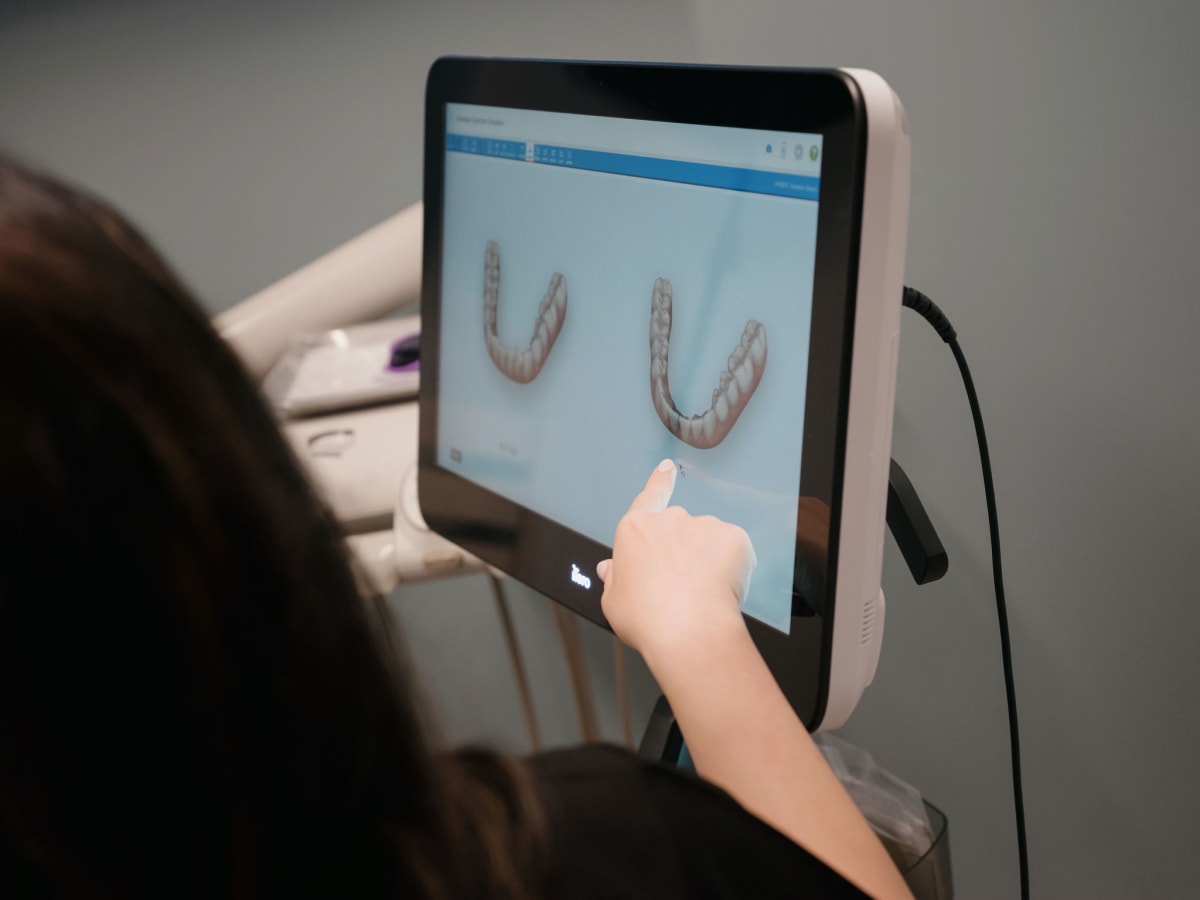
At Genuine Smiles, Dr. Gan uses an iTero digital scanner to create a detailed 3D model of your teeth. This digital model helps her plan the sequence of tooth movements needed for your treatment.
The process generally includes:
- Consultation and evaluation: Dr. Gan examines your teeth and bite and discusses your treatment goals.
- Digital scanning: An iTero scanner creates a 3D model of your teeth.
- Treatment planning: Your digital records are used to map out the planned tooth movements.
- Aligner treatment: You wear each set of aligners according to your prescribed schedule before moving to the next set.
- Progress visits: Dr. Gan checks how your teeth are responding and whether they are tracking as planned.
- Refinements when needed: Additional aligners may be used to fine-tune certain movements.
- Retention: After active treatment, retainers help maintain your new tooth positions.
The exact process and treatment length depend on your individual teeth, bite, and response to treatment.
How Long Does Invisalign Take?
There isn't one treatment timeline that applies to everyone.
Treatment length can depend on:
- The amount of crowding or spacing
- The complexity of your bite
- The type and extent of tooth movement required
- How consistently you wear your aligners
- How your teeth respond during treatment
- Whether refinements are needed
More straightforward alignment concerns may require less treatment time, while more complex movements can take longer.
Consistent wear is especially important with Invisalign. Since the aligners are removable, regularly falling short of the prescribed wear time can affect how well your teeth track with the treatment plan.
Dr. Gan can provide a more individualized estimate after evaluating your teeth and developing your treatment plan.
What Does Invisalign Feel Like?
You may notice pressure or mild soreness when you begin wearing a new set of aligners. This is expected as the aligners apply controlled pressure to your teeth.
Some people also notice a slight change in their speech when they first begin treatment. Your mouth generally adjusts as you become accustomed to the aligners.
The first few days of a new aligner set can require some adjustment, but many people find that the sensation becomes easier to manage as they continue wearing their trays.
If you experience significant or persistent discomfort, contact your dental office so the fit and your treatment progress can be evaluated.
How Much Does Invisalign Cost Compared With Braces?
There isn't a universal price for either orthodontic treatment.
The cost of Invisalign can depend on factors such as:
- The complexity of your case
- The amount of tooth movement required
- The expected treatment length
- The number of aligners needed
- Whether refinements are necessary
- Your dental insurance benefits
Insurance coverage also varies. Some dental plans include orthodontic benefits, while others have age restrictions, lifetime maximums, deductibles, or exclusions.
Rather than comparing generic prices online, it's more useful to discuss cost after your teeth and bite have been evaluated. That allows your treatment estimate to reflect the actual orthodontic care you need.
Which Option Is Easier to Maintain?
Both treatments require commitment, but the responsibilities are different.
With Invisalign, you need to:
- Wear your aligners for the prescribed amount of time
- Remove them before eating
- Clean your teeth regularly
- Keep your aligners clean
- Store them safely when they're not in your mouth
- Keep up with progress appointments
With braces, the appliance remains in place, but you'll need to be more careful about cleaning around brackets and wires and avoiding foods that could damage the hardware.
Thinking about your own habits and routine can help you understand which type of treatment may be easier for you to manage. Your clinical needs should still guide the final treatment recommendation.
What Happens After Orthodontic Treatment?
Whichever orthodontic treatment you receive, retention is an important part of maintaining your results.
Once your teeth have reached their planned positions, retainers help prevent them from shifting over time.
Depending on your needs, your provider may recommend removable retainers, fixed retainers, or a combination of both. You'll receive instructions about how and when to wear them.
Retention is ongoing. Wearing your retainers as recommended gives you the best opportunity to maintain the alignment achieved during active treatment.
Why Genuine Smiles Focuses on Invisalign
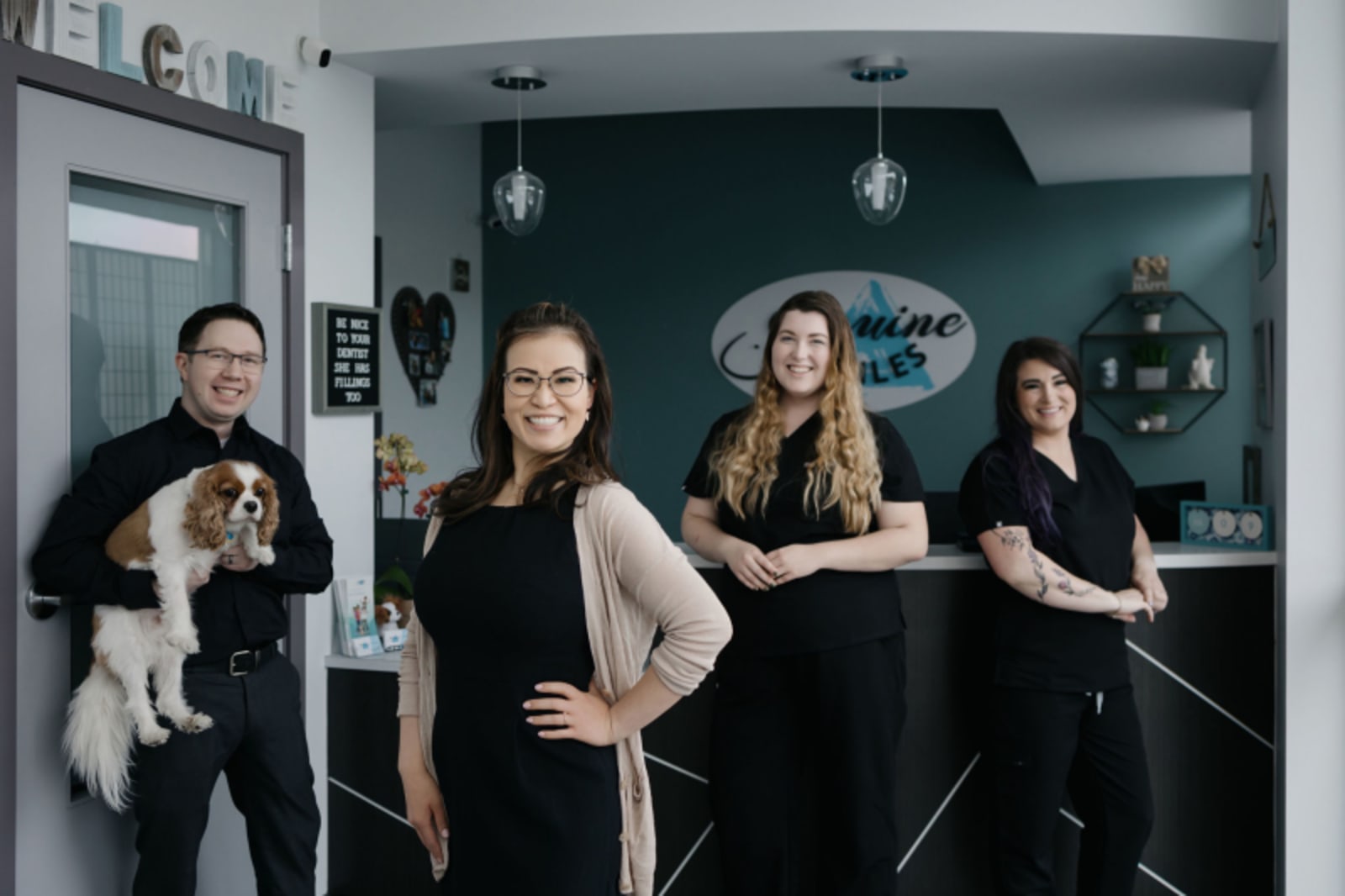
At Genuine Smiles in Everett, Dr. Gan focuses on Invisalign rather than traditional braces.
That doesn't mean clear aligners are appropriate for every orthodontic case. During your consultation, Dr. Gan evaluates your teeth and bite to determine whether Invisalign can provide the type of movement you need.
The iTero digital scanner allows her to create a detailed 3D model of your teeth and use digital treatment planning to map out the anticipated movements. The scan can also provide a projected simulation of how your teeth may look as treatment progresses.
If your case would be better treated with traditional braces or another type of orthodontic care, Dr. Gan can explain that and recommend an appropriate specialist.
Frequently Asked Questions
Are clear aligners as effective as braces?
Clear aligners can effectively treat many common orthodontic concerns, but they are not appropriate for every type or severity of tooth movement. Your specific teeth and bite determine whether Invisalign is a suitable option.
Can Invisalign fix crowded teeth?
Invisalign can treat many cases of mild to moderate crowding. More significant crowding may require a different treatment approach depending on the amount of space needed and the movements involved.
Can Invisalign fix an overbite?
Invisalign can correct certain types of overbites. Your candidacy depends on the severity and underlying cause of the bite issue.
Do clear aligners hurt?
You may experience pressure or mild soreness when beginning a new set of aligners. This generally improves as you adjust to the new tray.
Can I eat with Invisalign?
No. Remove your aligners before eating. You can continue eating your usual foods because there are no brackets or wires that need to be protected.
How many hours a day do I need to wear Invisalign?
Invisalign is generally worn for approximately 20 to 22 hours per day. Your specific wear instructions will come from your provider.
What if I lose an aligner?
Contact your dental office rather than automatically moving to the next aligner. Dr. Gan can determine the appropriate next step based on where you are in your treatment.
Do I still need regular dental cleanings during Invisalign?
Yes. Orthodontic treatment does not replace routine dental care. Regular examinations and cleanings remain important for maintaining healthy teeth and gums during treatment.
Is Invisalign Right for You?
The choice between clear aligners and traditional braces ultimately comes down to your individual orthodontic needs.
If Invisalign can provide the tooth movements your case requires, removable aligners may offer a discreet and flexible way to straighten your teeth. If your case requires a different type of orthodontic treatment, a specialist may be better equipped to provide it.
At Genuine Smiles in Everett, Dr. Gan uses a digital iTero scan and a comprehensive evaluation to determine whether Invisalign is appropriate for your goals.
If you're considering clear aligners, you can request a complimentary Invisalign consultation or call Genuine Smiles at (425) 367-0303.
Begin rewriting your smile story today
Getting started is easy! Call or text 425-367-0303 or request an appointment online and our team will personally follow up to help you schedule your first visit.