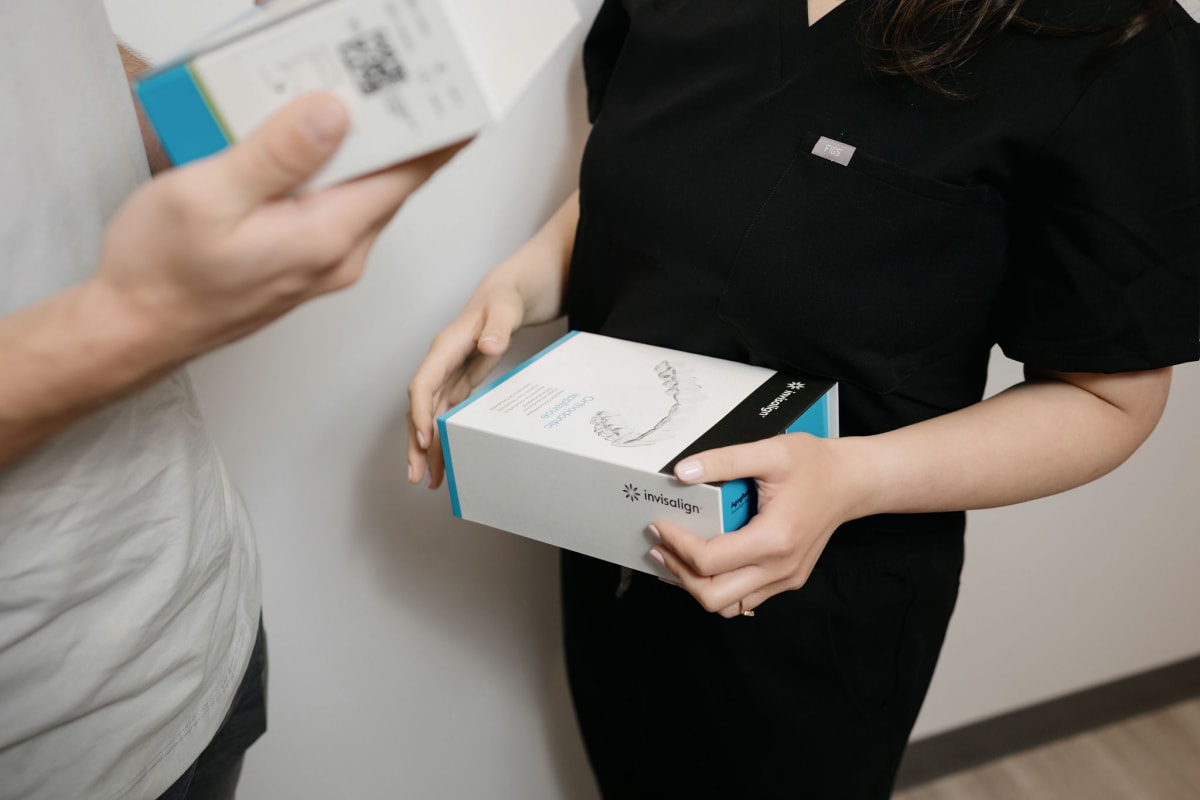
The Complete Guide to Invisalign | Genuine Smiles
What Is Invisalign and How Does It Work?
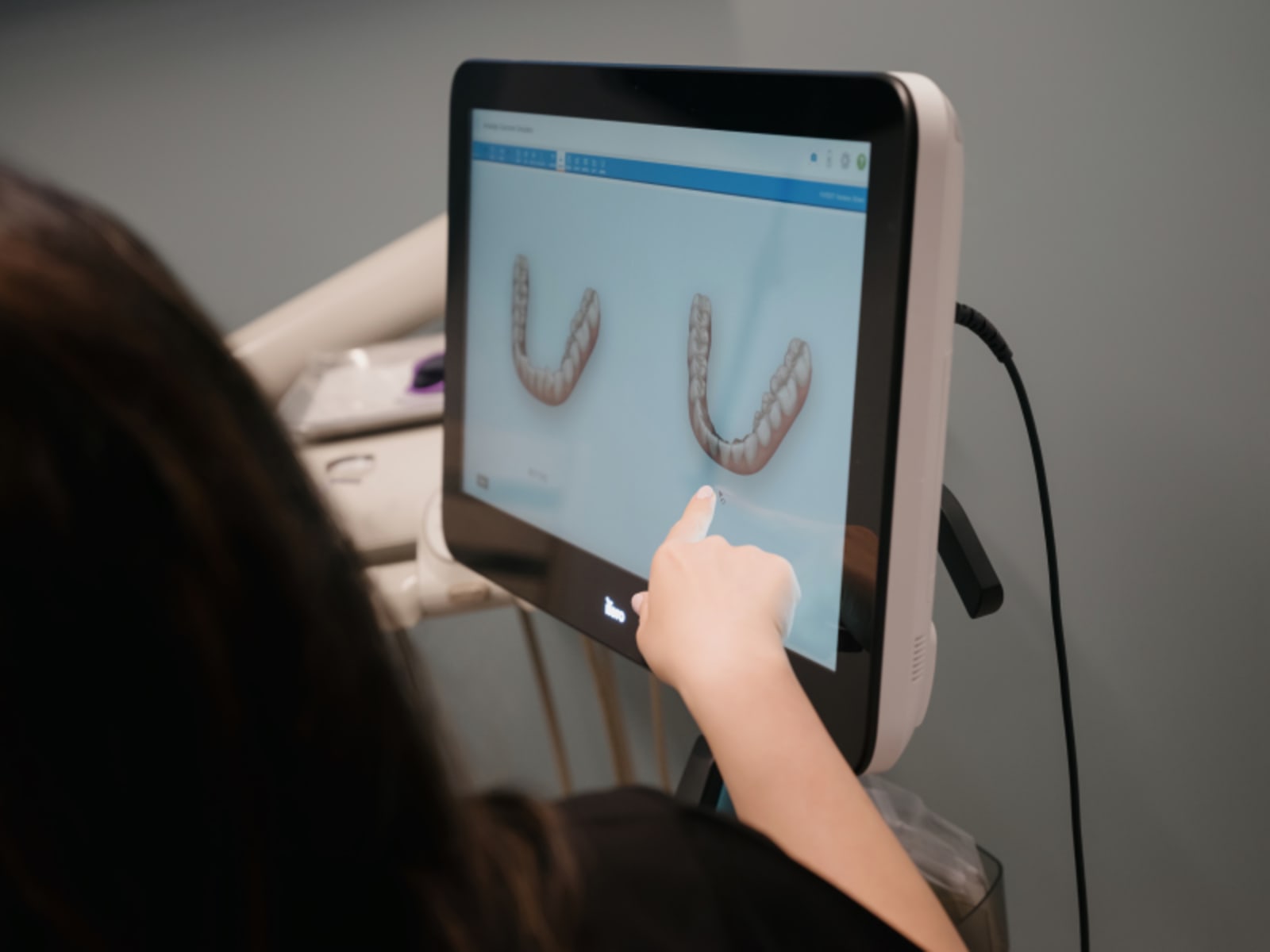
At Genuine Smiles in Everett, Dr. Gan uses digital scanning and treatment planning to map out how your teeth are expected to move throughout treatment. Each set of aligners is slightly different, allowing your teeth to progress through the planned sequence over time.
Because Invisalign aligners are removable, you can take them out to eat, brush, and floss. They are also much less noticeable than traditional braces, which makes them an option many adults and teens consider when they want orthodontic treatment without brackets and wires.
Quick Takeaways
- Invisalign uses a series of custom-made, removable aligners to gradually move teeth.
- Each aligner is designed to guide specific teeth through a planned treatment sequence.
- Digital scanning and treatment planning help map out your expected tooth movements.
- Aligners can be removed for eating, brushing, and flossing and are less noticeable than traditional braces.
How Does Invisalign Work?
The Invisalign process starts with a detailed assessment of your teeth and bite. At Genuine Smiles, Dr. Gan uses an iTero digital scanner to create a 3D model of your mouth.
That digital model helps Dr. Gan plan:
- Which teeth need to move
- The direction and amount of movement needed
- The order in which different teeth should move
- How your bite needs to change
- What your teeth are expected to look like at the end of treatment
The treatment plan is then divided into a series of aligners. You wear each set for the prescribed amount of time before moving to the next set. Each new aligner continues the progression by applying pressure to different areas of your teeth.
The goal is controlled, gradual movement rather than moving everything at once.
What Happens During an Invisalign Treatment?
A typical Invisalign treatment includes several stages:
- Consultation and digital scan: Dr. Gan evaluates your teeth, bite, and goals and uses the iTero scanner to create a 3D model.
- Treatment planning: Your digital records are used to develop a sequence of planned tooth movements.
- Aligner fabrication: Your custom aligners are manufactured based on the treatment plan.
- Aligner wear: You wear each set according to your prescribed schedule before progressing to the next one.
- Progress appointments: Periodic visits allow Dr. Gan to check that your teeth are tracking as planned.
- Refinements when needed: Additional aligners may be recommended to fine-tune certain movements.
- Retention: Once active treatment is complete, retainers help maintain your new tooth positions.
Your exact process depends on your teeth, bite, treatment goals, and how your teeth respond throughout treatment.
What Are the Benefits of Invisalign?

Invisalign offers several practical differences compared with traditional braces.
Removable aligners
You can remove your aligners when you eat, drink anything other than water, brush, and floss. There are no brackets or wires that require you to work around when cleaning your teeth.
A more discreet appearance
The aligners are made from clear material and fit closely over your teeth. While they may be visible up close, they are generally much less noticeable than traditional metal braces.
No food restrictions from brackets and wires
Because the aligners come out for meals, you can continue eating the foods you normally enjoy. The important part is putting your aligners back in afterward and maintaining the prescribed daily wear time.
Digital treatment planning
Your treatment begins with a digital model of your teeth rather than traditional physical impressions. This allows Dr. Gan to plan tooth movement using a detailed 3D representation of your bite.
Easier daily oral hygiene
You remove the aligners before brushing and flossing, allowing you to clean your teeth normally instead of navigating around brackets and wires.
These benefits make Invisalign particularly appealing to people who want orthodontic treatment that fits more easily into their existing routines.
Who Is a Good Candidate for Invisalign?
Invisalign can address many common orthodontic concerns, including:
- Mild to moderate crowding
- Gaps and spacing between teeth
- Certain overbites
- Certain underbites
- Certain crossbites
- Teeth that have shifted after previous orthodontic treatment
- Other alignment concerns that can be treated with controlled tooth movement
Both teens and adults may be candidates for clear aligner treatment.
However, Invisalign is not appropriate for every orthodontic problem. Significant bite discrepancies, severe crowding, complex tooth movements, skeletal concerns, or cases involving extractions may require a different treatment approach.
That is why candidacy should be determined through an in-person evaluation rather than an online quiz or general checklist.
At Genuine Smiles, Dr. Gan evaluates your teeth and bite and uses your digital scan to determine whether clear aligners can accomplish your goals. If another type of orthodontic treatment would be more appropriate, she will explain that rather than recommending aligners simply because they are the treatment you initially asked about.
Invisalign for Teens and Adults
Clear aligners can fit different lifestyles and stages of life.
Invisalign for adults
Adults often consider Invisalign because the aligners are discreet and removable. You can take them out for meals, professional events, photographs, and important occasions, then put them back in afterward.
The main responsibility is maintaining your prescribed wear schedule. Removability is useful, but it also means treatment depends on you remembering to wear the aligners consistently.
Invisalign for teens
Invisalign Teen offers many of the same benefits as adult treatment while accounting for the needs of growing teenagers.
Removable aligners can make brushing, flossing, sports, and eating easier than with traditional braces. At the same time, teens need to be responsible about wearing and caring for their aligners.
Dr. Gan can determine whether clear aligner treatment is appropriate based on the teenager's teeth, bite, growth, and ability to follow the treatment plan.
Invisalign vs. Traditional Braces
Both Invisalign and traditional braces can move teeth and improve alignment. They simply use different tools and require different responsibilities.
With Invisalign, treatment uses clear, removable aligners that can be taken out for eating, brushing, and flossing. This means you can generally continue eating your normal foods and maintain your usual oral hygiene routine after removing the aligners. Invisalign also requires consistent daily wear because treatment depends on wearing each aligner for the prescribed amount of time. Progress is managed by moving through a series of new aligner sets.
Traditional braces use brackets and wires that remain attached to your teeth throughout treatment. Because the brackets and wires stay in place, certain foods may need to be avoided, and brushing and flossing require extra care around the orthodontic hardware. Progress is managed through periodic appointments during which the wires and brackets are adjusted. Traditional braces can also provide mechanical control for some complex tooth movements that may not be appropriate for clear aligners.
There is no single orthodontic treatment that is right for every person. The appropriate approach depends on the specific tooth movements and bite changes required.
Genuine Smiles focuses on Invisalign and does not place traditional braces. If Dr. Gan determines that your case requires treatment outside the scope of clear aligners, she can explain your options and recommend an appropriate specialist.
What Is the Invisalign Treatment Process?
Understanding the process can make orthodontic treatment feel much more straightforward.
1. Consultation
Your first appointment begins with a conversation about your smile, concerns, and treatment goals. Dr. Gan then evaluates your teeth and bite to determine whether Invisalign may be appropriate.
2. iTero Digital Scan
Instead of taking traditional impressions, Dr. Gan uses an iTero scanner to create a detailed 3D model of your teeth.
The scan can also be used to show a projected simulation of your treatment, giving you a visual representation of how your teeth may move.
3. Customized Treatment Plan
Your digital records are used to plan the sequence of tooth movements. The plan accounts for your individual anatomy and treatment goals rather than applying a standard sequence to every person.
4. Receive Your Aligners
Once your aligners are ready, the team explains how to insert, remove, clean, and care for them. You'll also receive instructions about how long to wear each set.
5. Wear Your Aligners
You generally need to wear your aligners for about 20 to 22 hours per day. They should be removed for eating, drinking anything other than water, brushing, and flossing.
Consistent wear is one of the most important factors you can control during treatment.
6. Progress Visits
Periodic appointments allow Dr. Gan to evaluate how your teeth are responding and whether they are tracking according to the treatment plan.
7. Refinements
Some people need additional aligners after completing their initial series. Refinements allow Dr. Gan to make smaller adjustments and fine-tune the final result.
8. Retention
After your active treatment is complete, you'll transition to retainers. Retainers help hold your teeth in their new positions and are an important part of maintaining your result.
How Long Does Invisalign Take?
There is no single Invisalign treatment length that applies to everyone.
Treatment time depends on factors such as:
- The amount of crowding or spacing
- The complexity of your bite
- The amount and direction of tooth movement required
- How consistently you wear your aligners
- How your teeth respond during treatment
- Whether refinements are needed
More straightforward alignment concerns may require less treatment time, while complex tooth movements and bite corrections generally require longer.
Your wear habits also matter. Invisalign aligners are designed to be worn for approximately 20 to 22 hours each day. Regularly wearing them for less time than prescribed can interfere with tracking and extend treatment.
Dr. Gan can give you a more individualized estimate after evaluating your teeth and creating your digital treatment plan.
What Is Daily Life Like With Invisalign?
For most people, the biggest adjustment is getting used to keeping track of the aligners.
Eating and drinking
Remove your aligners before eating or drinking anything other than plain water. Once you're finished, brush your teeth when possible and put the aligners back in.
Because the aligners are removable, you don't have the same food restrictions associated with brackets and wires.
Brushing and flossing
Take your aligners out and brush and floss as you normally would. Keeping both your teeth and aligners clean is important throughout treatment.
Speaking
Some people notice a slight change in their speech when they first begin wearing aligners. Your tongue generally adapts as you become accustomed to the trays.
Comfort
You may experience pressure or mild soreness when you begin wearing a new set. That sensation is expected as the aligners apply pressure to move your teeth and generally becomes easier to manage as you adjust.
Keeping track of your aligners
Always store your aligners in their case when they are not in your mouth. Wrapping them in a napkin or leaving them loose on a table makes them much easier to lose or accidentally throw away.
How Often Do You Need Invisalign Appointments?
Invisalign typically requires periodic check-ins rather than the frequent adjustment appointments associated with traditional braces.
During these visits, Dr. Gan checks your tooth movement and makes sure your teeth are tracking with the treatment plan. The exact appointment schedule depends on your treatment and how your teeth are responding.
Genuine Smiles offers appointments beginning at 7:00 a.m. on Mondays, Tuesdays, and Fridays, which can make it easier to fit progress visits into a work or school schedule.
How Much Does Invisalign Cost?
There is no single Invisalign price because treatment varies from case to case.
Factors that can affect the cost include:
- The complexity of your alignment and bite
- The amount of tooth movement required
- The anticipated treatment length
- The number of aligners included in your treatment plan
- Whether refinements are needed
- Your dental insurance benefits
If your dental plan includes orthodontic coverage, some or all of that benefit may apply to clear aligner treatment. Coverage varies significantly between plans, including lifetime orthodontic maximums, age restrictions, deductibles, and exclusions.
Genuine Smiles works with a number of dental insurance plans, including Aetna, MetLife, Delta Dental, Principal, Ameritas, Guardian, and United Healthcare, among others.
The office can review your benefits and explain what your plan may cover. If you're paying out of pocket, the team can also explain available payment or membership options.
The most useful time to discuss cost is after Dr. Gan has evaluated your teeth and developed a treatment plan. That gives you an estimate based on your actual orthodontic needs rather than a generic online price range.
Does Invisalign Hurt?
Invisalign is designed to move teeth gradually, so you should expect some pressure as your teeth adjust to a new set of aligners.
Mild soreness or tenderness is common when beginning a new tray. The sensation usually improves as you adjust to the aligner.
Unlike traditional braces, Invisalign does not use brackets or wires that can rub against the inside of your cheeks or lips.
If you experience significant or persistent discomfort, contact your dental office so the fit and your treatment progress can be evaluated.
What Happens After Invisalign?
Finishing your final aligner does not mean your orthodontic treatment is completely over.
Teeth naturally have a tendency to shift over time. The tissues and bone surrounding your teeth also need time to adapt to their new positions.
Retainers help prevent unwanted movement after active treatment.
Removable retainers
These are taken out when you eat, brush, and floss. Your provider will give you a specific wear schedule based on your treatment.
Fixed retainers
A fixed retainer is a thin wire bonded behind your teeth. It remains in place and provides continuous support.
Some people use removable retainers, fixed retainers, or a combination of both. The appropriate approach depends on your teeth and treatment.
Retention is a long-term part of orthodontic care. Wearing your retainer as recommended gives you the best opportunity to maintain the alignment you've worked to achieve.
How Genuine Smiles Approaches Invisalign
At Genuine Smiles in Everett, Invisalign treatment begins with understanding what you want to change and determining whether clear aligners are an appropriate way to accomplish it.
Dr. Jade Gan earned her dental degree from NYU College of Dentistry after studying studio art alongside mathematics and science at Seattle University. She also completed a one-year hospital residency at Nassau University Medical Center.
That background contributes to a detailed approach to treatment planning, particularly when considering tooth proportions, alignment, and how individual teeth contribute to the appearance of the overall smile.
Dr. Gan also has an interest in patient comfort and has presented at the Pacific Northwest Dental Conference on delivering comfortable local anesthesia.
Technology plays an important role in the Invisalign process as well. The iTero scanner provides a detailed digital model of your teeth and allows Dr. Gan to plan treatment without traditional impression materials.
Most importantly, the goal is to determine whether Invisalign makes sense for your specific situation. Clear aligners are an effective option for many people, but they are not the right solution for every orthodontic problem.
Frequently Asked Questions About Invisalign
How long do I need to wear Invisalign each day?
Most people are instructed to wear their aligners for approximately 20 to 22 hours per day. They should be removed for eating, drinking anything other than water, brushing, and flossing.
Can I eat with Invisalign?
No. Remove your aligners before eating. You can continue eating your normal foods because there are no brackets or wires that need to be protected.
Can I drink coffee with Invisalign?
Remove your aligners before drinking coffee or other beverages besides plain water. Hot drinks can affect the aligner material, while colored beverages can contribute to staining.
Can I sleep with Invisalign?
Yes. Invisalign aligners are designed to be worn while you sleep. In fact, nighttime wear is an important part of maintaining the daily wear time needed for treatment.
Can Invisalign fix an overbite?
Invisalign can correct certain types of overbites. Whether it can address your specific bite depends on the severity and underlying cause of the problem.
Can Invisalign fix crowded teeth?
Yes. Invisalign can treat many cases of mild to moderate crowding. More severe crowding may require a different approach, depending on how much space needs to be created and what tooth movements are necessary.
What happens if I lose an Invisalign tray?
Contact your dental office rather than simply moving to the next aligner on your own. Dr. Gan can determine the appropriate next step based on where you are in your treatment sequence.
Do I still need to see a dentist while wearing Invisalign?
Yes. Invisalign does not replace routine dental care. Continue regular examinations and cleanings throughout orthodontic treatment so your teeth and gums remain healthy.
Is Invisalign Right for You?
Invisalign can be a practical way to straighten teeth without brackets and wires, but the most important question is whether it can accomplish what your particular teeth and bite need.
At Genuine Smiles in Everett, Dr. Gan uses a digital iTero scan and a comprehensive evaluation to determine whether clear aligners are appropriate for your goals. If they are, you'll have a clearer picture of the planned tooth movements, expected timeline, and treatment process before getting started.
If you are considering Invisalign in Everett, you can request a complimentary consultation or call Genuine Smiles at (425) 367-0303.
Begin rewriting your smile story today
Getting started is easy! Call or text 425-367-0303 or request an appointment online and our team will personally follow up to help you schedule your first visit.
.svg)